Wabi-Sabi Hospitality: Inside Kyoto's 300-Year-Old Timber Ryokans
Understanding the quiet geometry of cedar bathtubs, seasonal kaiseki dishes, and unseen hospitality.
 Words & Photography by Klara Chen
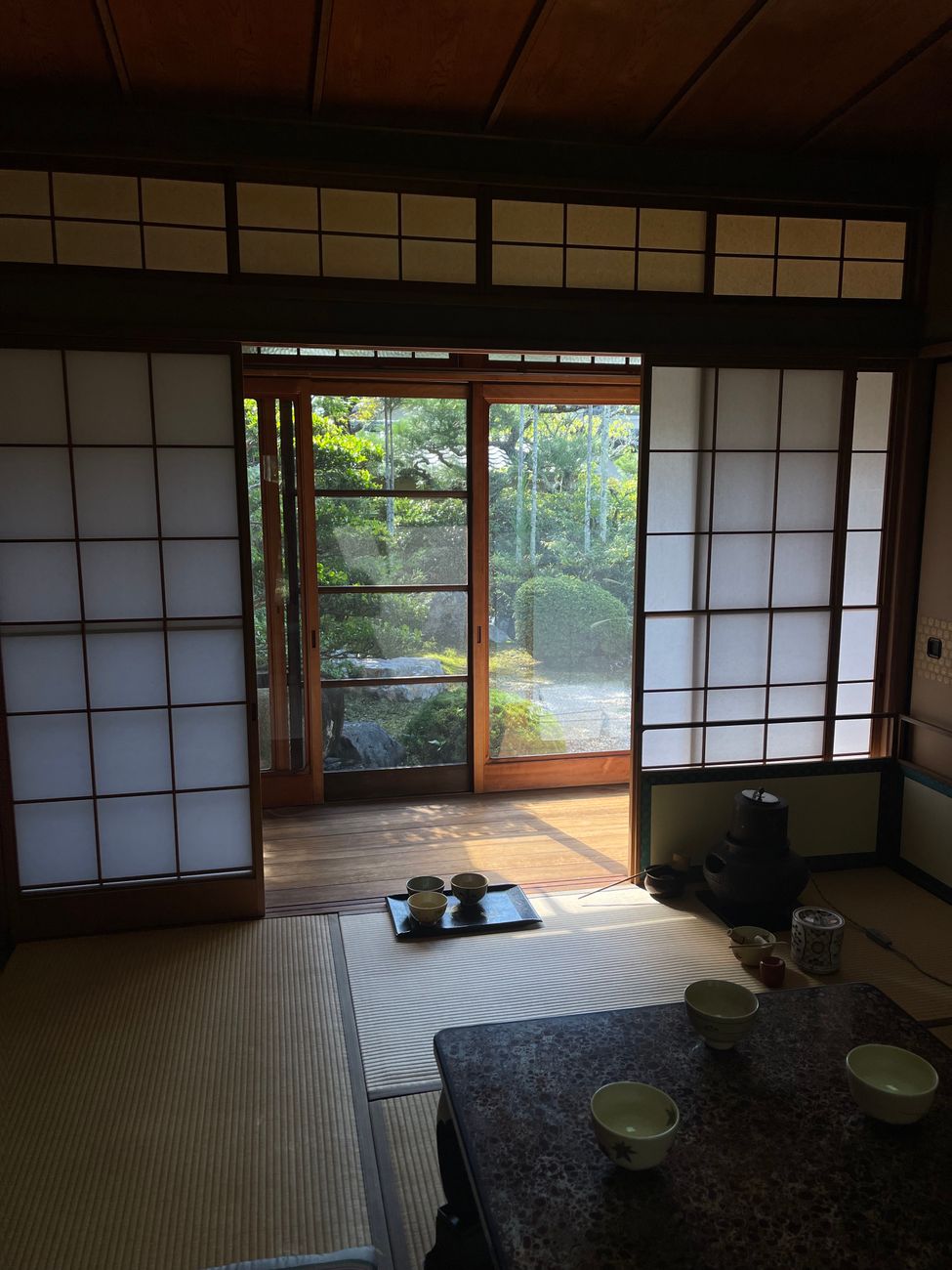
In Kyoto's northern Higashiyama foothills, rainfall does not hit concrete; it gathers on moss-covered river stone, drip by drip, before trickling past the unvarnished hinoki timbers of an inn that has received guests since the Genroku period. There is no reception desk, no electronic chimes, no uniformed lobby staff.
Instead, one is welcomed by the quiet sound of a straw broom brushing fallen maple leaves, followed by the slide of a cedar shoji screen. This is ryokan hospitality in its purest iteration: hospitality that operates by removing frictions rather than accumulating decorations.
The Architecture of Impermanence
Western luxury is often rooted in permanence — marble columns, gilded fixtures, monumental stone façades designed to withstand epochs. Traditional Japanese hospitality embraces transience. Straw tatami mats are replaced biannually, breathing the sweet, grassy scent of fresh rush. Unlacquered wood matures alongside the seasons, gathering marks from steam, tea drops, and fingertips.
“Omotenashi is not performance; it is the anticipation of comfort before the guest recognizes the need.”
In the evening, kaiseki dining is presented inside one's room. Each small ceramic dish — some dating back over two centuries — reflects the immediate weekly micro-season. A single grilled sweetfish rests on a bed of river stones; a bowl of dashi broth is infused with yuzu peel cut in the shape of a chrysanthemum.
Sensory Stillness
The centerpiece of the evening is the private cedar bath (ofuro), filled with piping mineral water. The natural oils of the wood release an earthy, balsamic aroma when heated. Submerged up to the shoulders with shoji screens pushed open to the rain-soaked garden, the traveler experiences an ancient form of physical restoration that no metropolitan spa can synthesize.
By morning, the futon has been quietly packed away while one walked in the temple bamboo groves. A steaming bowl of rice porridge and green tea awaits. The lesson of Kyoto is clear: true elegance resides in total attentiveness to the quietest details.